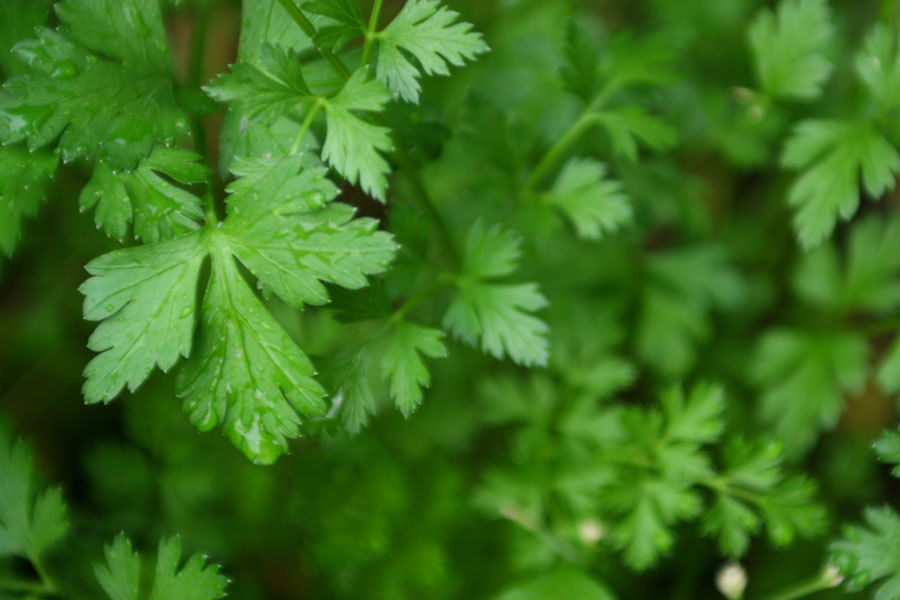


Effective Organic Farming Methods Overview

Updated: Feb 11
Organic farming offers a sustainable way to grow crops and raise livestock without relying on synthetic chemicals. It focuses on maintaining soil health, conserving water, and promoting biodiversity. I will explain effective organic farming methods that help improve productivity while protecting the environment. These methods suit farmers, dairy farmers, and home gardeners in Tamil Nadu who want to adopt sustainable practices.
Organic Farming Methods Overview
Organic farming depends on natural processes and materials. It avoids synthetic pesticides, herbicides, and fertilizers. Instead, it uses compost, green manure, crop rotation, and biological pest control. These methods improve soil fertility and reduce pollution.
For example, composting turns farm waste into nutrient-rich soil amendments. This improves soil structure and water retention. Crop rotation breaks pest and disease cycles by alternating crops each season. Green manure crops like legumes fix nitrogen in the soil, reducing the need for chemical fertilizers.
Using these methods helps maintain a balanced ecosystem on the farm. Beneficial insects control pests naturally. Cover crops prevent soil erosion and suppress weeds. These practices reduce input costs and increase long-term farm sustainability.

Soil Management Techniques
Healthy soil is the foundation of organic farming. I focus on building and maintaining soil fertility through natural means. Here are key soil management techniques:
Composting - Decompose organic waste like crop residues, manure, and kitchen scraps. Compost adds nutrients and beneficial microbes to the soil.
Green Manure - Grow cover crops such as clover or cowpea. These plants fix nitrogen and add organic matter when plowed back into the soil.
Crop Rotation - Rotate crops to prevent nutrient depletion and reduce pests. For example, follow a nitrogen-fixing legume with a cereal crop.
Mulching - Apply organic mulch like straw or leaves to conserve moisture, suppress weeds, and improve soil temperature.
Reduced Tillage - Minimize soil disturbance to preserve soil structure and microbial life.
These techniques improve soil health, increase water retention, and reduce erosion. Healthy soil supports strong plant growth and higher yields.
What are the 4 Modern Farming Methods?
Modern farming methods combine traditional knowledge with new technology to increase efficiency and sustainability. The four main methods include:
Precision Farming - Uses GPS and sensors to monitor soil and crop conditions. This allows targeted application of water and nutrients, reducing waste.
Integrated Pest Management (IPM) - Combines biological, cultural, and mechanical pest control methods. Chemical pesticides are used only as a last resort.
Agroforestry - Integrates trees and shrubs into crop and livestock systems. Trees provide shade, improve soil fertility, and increase biodiversity.
Organic Farming - Avoids synthetic chemicals and focuses on natural inputs and processes.
These methods help farmers optimize resources, reduce environmental impact, and improve crop quality. Organic farming methods fit well within this framework by emphasizing natural inputs and ecosystem balance.
Pest and Weed Control in Organic Farming
Controlling pests and weeds without chemicals is a challenge. I use several effective organic strategies:
Biological Control - Introduce natural predators like ladybugs or parasitic wasps to control pests.
Trap Crops - Plant crops that attract pests away from the main crop.
Mechanical Weeding - Use hand tools or machinery to remove weeds physically.
Mulching - Suppress weed growth by covering soil with organic mulch.
Crop Rotation - Disrupt pest life cycles by changing crops each season.
These methods reduce pest damage while protecting beneficial insects and soil health. Regular monitoring helps detect pest problems early and apply controls promptly.

Water Conservation Practices
Water is a precious resource in farming. Organic farming uses water efficiently through these practices:
Drip Irrigation - Delivers water directly to plant roots, reducing evaporation and runoff.
Rainwater Harvesting - Collects and stores rainwater for irrigation during dry periods.
Mulching - Retains soil moisture and reduces the need for frequent watering.
Contour Farming - Plants along natural land contours to reduce water runoff and soil erosion.
Cover Crops - Protect soil and improve water infiltration.
These methods help maintain soil moisture, reduce water waste, and improve crop resilience during dry spells.
Steps to Start Organic Farming
Starting organic farming requires planning and commitment. Follow these steps:
Soil Testing - Analyze soil to understand nutrient levels and pH.
Choose Suitable Crops - Select crops adapted to local climate and soil.
Prepare Soil - Use compost and green manure to enrich soil.
Plan Crop Rotation - Design a rotation schedule to maintain soil health.
Implement Pest Control - Use biological and mechanical methods.
Manage Water - Install efficient irrigation and conserve water.
Record Keeping - Maintain detailed records of inputs, practices, and yields.
By following these steps, you can transition to organic farming successfully and sustainably.
Supporting Sustainable Farming in Tamil Nadu
Adopting organic farming methods helps protect Tamil Nadu’s environment and supports local communities. It reduces chemical pollution, improves soil health, and produces healthier food. Farmers and gardeners can benefit from lower input costs and better market prices for organic produce.
Rehoboth Organic Farms aims to lead this movement by providing training, resources, and organic inputs. We want to help farmers and home gardeners adopt these effective methods and grow high-quality organic crops and fodder.
By working together, we can build a sustainable agricultural future for Tamil Nadu.
This guide explains practical, effective organic farming methods. Use these techniques to improve your farm’s productivity and sustainability. For more detailed information, visit organic farming methods.


Comments