

Growing Fresh Tomatoes at Home Made Easy

Updated: Feb 11
Growing fresh tomatoes at home is a rewarding experience. It provides fresh, organic produce right from your garden or balcony. Tomatoes are versatile and nutritious. They grow well in many climates, including Tamil Nadu’s warm weather. This guide will help you start indoor tomato cultivation with simple steps and practical advice.
Preparing for Indoor Tomato Cultivation
Start by choosing the right tomato variety. Some types grow better indoors. Look for dwarf or determinate varieties. These plants stay compact and produce fruit in a shorter time. Examples include cherry tomatoes and patio tomatoes.
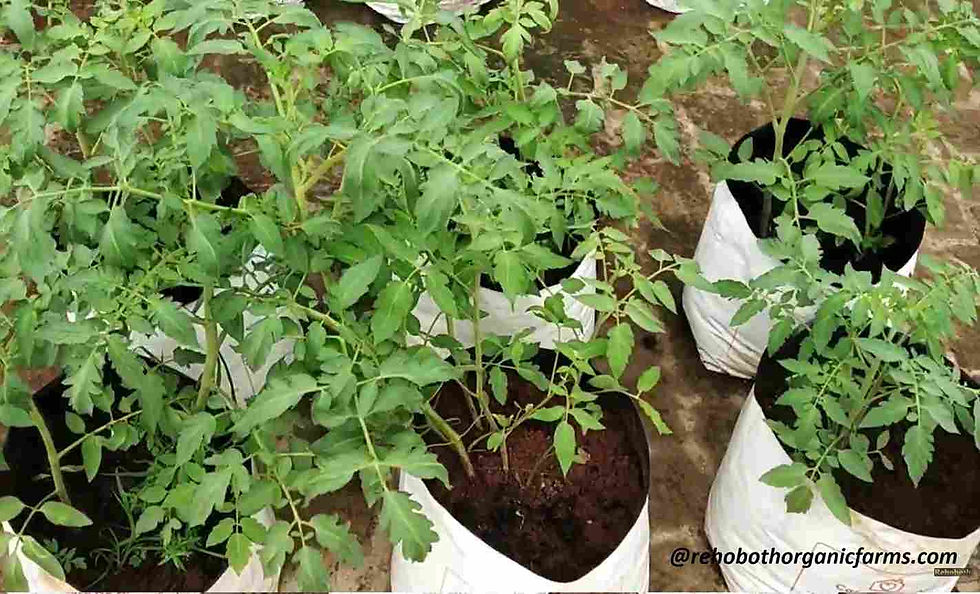
Next, select containers. Use pots with drainage holes to avoid waterlogging. A 12-inch pot or larger works well for each plant. Use good quality potting soil. It should be light, well-draining, and rich in organic matter.
Place your pots in a location with plenty of sunlight. Tomatoes need at least 6 to 8 hours of direct sunlight daily. A south-facing window or balcony is ideal. If natural light is limited, use grow lights to supplement.
Water your plants regularly. Keep the soil moist but not soggy. Overwatering can cause root rot. Check the soil by touching it. Water when the top inch feels dry.

Steps to Start Indoor Tomato Cultivation
Seed Selection and Sowing
Choose fresh seeds from a reliable source. Soak seeds in water for a few hours before planting to improve germination. Sow seeds about 1/4 inch deep in seed-starting mix. Keep the soil moist and warm, around 70-75°F (21-24°C).
Transplanting Seedlings
When seedlings have two sets of true leaves, transplant them into larger pots. Handle seedlings gently to avoid damage. Use nutrient-rich potting soil. Space plants about 12-18 inches apart.
Providing Support
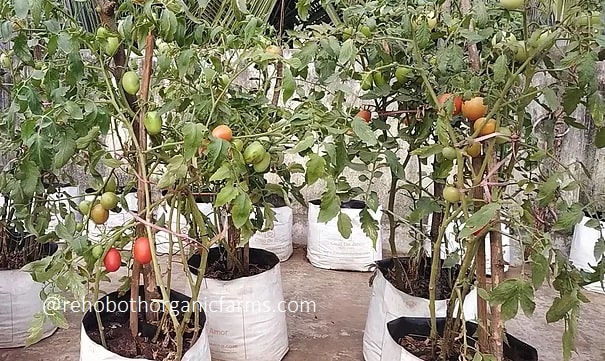
Use stakes or small cages to support tomato plants. This keeps stems upright and prevents fruit from touching the soil. Tie plants loosely with soft ties.
Fertilizing
Feed plants every two weeks with a balanced organic fertilizer. Look for fertilizers with equal parts nitrogen, phosphorus, and potassium (NPK). Avoid over-fertilizing, which can cause excessive leaf growth and fewer fruits.
Pruning
Remove suckers - small shoots growing between the main stem and branches. Pruning helps the plant focus energy on fruit production. Use clean scissors or pinch off suckers by hand.
Managing Pests and Diseases Indoors
Indoor tomato cultivation reduces many common pests but does not eliminate them. Watch for aphids, whiteflies, and spider mites. Use natural remedies like neem oil or insecticidal soap to control infestations.
Prevent fungal diseases by ensuring good air circulation. Avoid overhead watering. Water the base of the plant instead. Remove any yellow or diseased leaves promptly.
Keep your growing area clean. Sterilize pots and tools before use. This reduces the risk of disease spread.

Harvesting and Storing Tomatoes
Tomatoes are ready to harvest when they turn fully red or the color typical of the variety. Gently twist or cut the fruit from the vine. Avoid pulling, which can damage the plant.
Harvest regularly to encourage more fruit production. Store tomatoes at room temperature away from direct sunlight. Do not refrigerate fresh tomatoes as it affects flavor and texture.
Use harvested tomatoes in salads, cooking, or preserving. Fresh tomatoes from your indoor garden taste better and are free from harmful chemicals.
Tips for Success in Indoor Tomato Cultivation
Choose the right variety: Dwarf and determinate types work best indoors.
Use quality soil and containers: Good drainage and nutrients are essential.
Provide enough light: Use grow lights if natural sunlight is insufficient.
Water carefully: Keep soil moist but avoid waterlogging.
Support plants: Use stakes or cages to keep plants upright.
Control pests naturally: Use neem oil or insecticidal soap.
Prune regularly: Remove suckers to focus energy on fruit.
Harvest at the right time: Pick tomatoes when fully ripe for best taste.
If you want to grow tomatoes at home, follow these steps carefully. You will enjoy fresh, organic tomatoes all year round.
Encouraging Sustainable Practices in Tomato Growing
Growing tomatoes indoors supports sustainable farming. It reduces the need for pesticides and long-distance transport. Using organic soil and fertilizers helps maintain soil health. Water-saving techniques like drip irrigation or watering at the base reduce waste.
By adopting these methods, you contribute to a healthier environment. You also support the goal of expanding organic farming practices in Tamil Nadu. This approach benefits local farmers and home gardeners alike.
Indoor tomato cultivation is a practical way to produce fresh food sustainably. It fits well with the climate and lifestyle of the region. With patience and care, anyone can succeed in growing delicious tomatoes at home.
This guide provides clear, actionable steps to start your indoor tomato garden. Follow these instructions to enjoy fresh, organic tomatoes grown right in your home.





Comments